
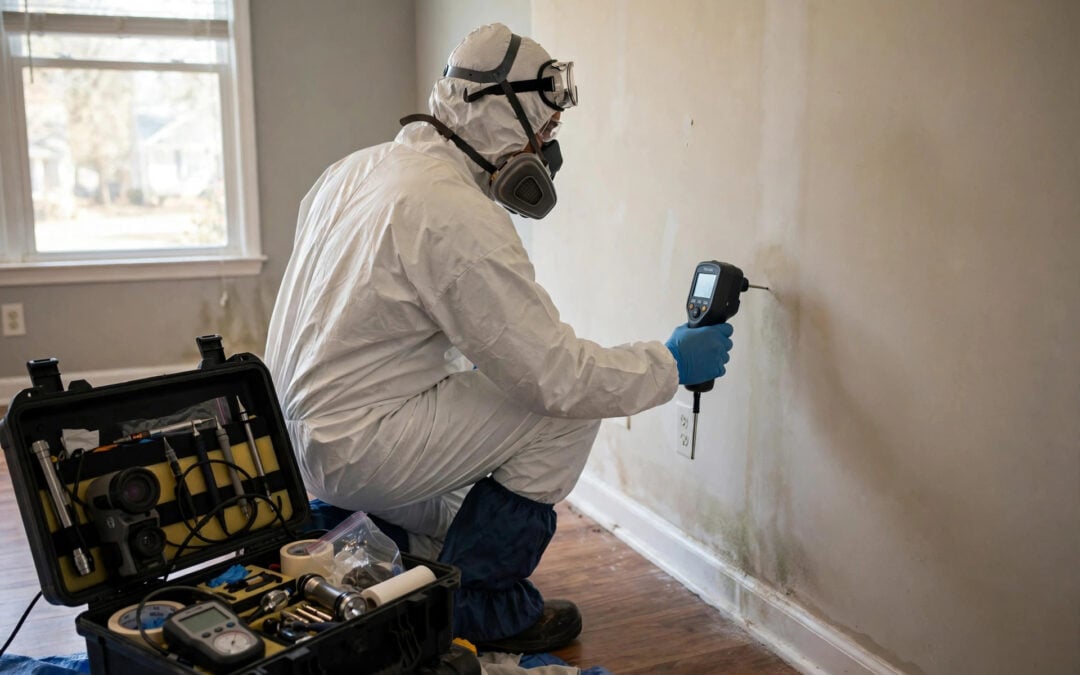
Mold is one of those problems that thrives on being ignored. It grows quietly behind walls, under sinks, and in attics — and by the time it becomes visible, it has often been there a while. Aliso Viejo homeowners are not immune: even in Southern California's dry climate, plumbing leaks, condensation, and poor ventilation create the moisture mold needs. The question is not whether mold exists in the environment — it does, everywhere — but whether it is growing inside your home. Here is when a professional mold inspection makes sense.
When to Schedule a Mold Inspection
You see visible growth. Discoloration on walls, ceilings, baseboards, or around windows is the most obvious trigger. Even a small patch is worth a professional look, because what you can see is often just the edge of a larger colony.
You smell something musty. That damp, earthy odor — especially in bathrooms, laundry rooms, or near the HVAC system — is a classic sign of hidden mold. If the smell comes and goes with the air conditioner running, the growth may be in the ductwork or drain pan.
You have had water damage. A burst supply line, a slow leak under a sink, a roof leak, or flooding from a storm all create the conditions mold needs. Mold can begin growing within a day or two of water exposure, so an inspection after any significant water event is smart — even if everything looks dry now.
Someone in the home has unexplained symptoms. Persistent allergy-like symptoms, respiratory irritation, or headaches that improve when you leave the house can have many causes, but hidden mold is one worth ruling out.
You are buying or selling. Mold findings can stall or sink a real estate transaction. Buyers in Aliso Viejo should consider a mold inspection alongside the general home inspection, especially in homes with a history of leaks. Sellers benefit from knowing about — and addressing — mold before it shows up in a buyer's report.
What a Professional Mold Inspection Involves
A real mold inspection is more than a quick walkthrough. Our process includes a thorough visual examination of the home's interior and exterior, moisture mapping with professional meters to find damp areas behind surfaces, and — where warranted — air and surface sampling sent to an independent laboratory for analysis.
The lab results tell us what types of mold are present and in what concentrations, compared against outdoor baseline samples. That data is what separates a professional assessment from guesswork: it tells us whether you have a normal background level or an active indoor problem that needs remediation.
What Happens If Mold Is Found
If the inspection confirms a mold problem, the next step is remediation — containing the affected area, removing contaminated materials safely, cleaning with professional methods, and addressing the moisture source so it does not come back. Skipping that last step is the most common mistake we see; without fixing the leak, the ventilation issue, or the drainage problem, mold simply returns.
Small, surface-level issues can sometimes be handled with proper cleaning. Larger infestations, growth inside wall cavities, or contamination in the HVAC system call for professional remediation with proper containment and protective equipment.
Do Not Wait on Water
The single best mold prevention advice we can give: fix water problems fast and dry things out completely. Mold needs moisture to grow, and a leak that is repaired within a day or two rarely becomes a mold project. A leak that sits for weeks almost always does.
If any of the signs above sound familiar, get answers before the problem grows. Learn more about our mold inspection services, then call 411 Mold Expert at (714) 746-7611. We will find out what is really going on in your Aliso Viejo home — and tell you honestly what it takes to fix it.
Recent Comments